Planning Accessible Events for Everyone
Creating inclusive events is essential for fostering community engagement and ensuring everyone can participate. This article explores effective strategies for planning accessible events that cater to diverse needs.
Understanding the Importance of Accessibility
Accessibility in event planning refers to the practice of designing events that can be attended and enjoyed by all individuals, including those with disabilities. According to the World Health Organization, approximately 15% of the global population lives with some form of disability, which means that failing to consider accessibility could alienate a significant portion of your audience. Experts in event planning recommend that all venues comply with the Accessibility for Individuals with Disabilities Act to ensure compliance and inclusivity.
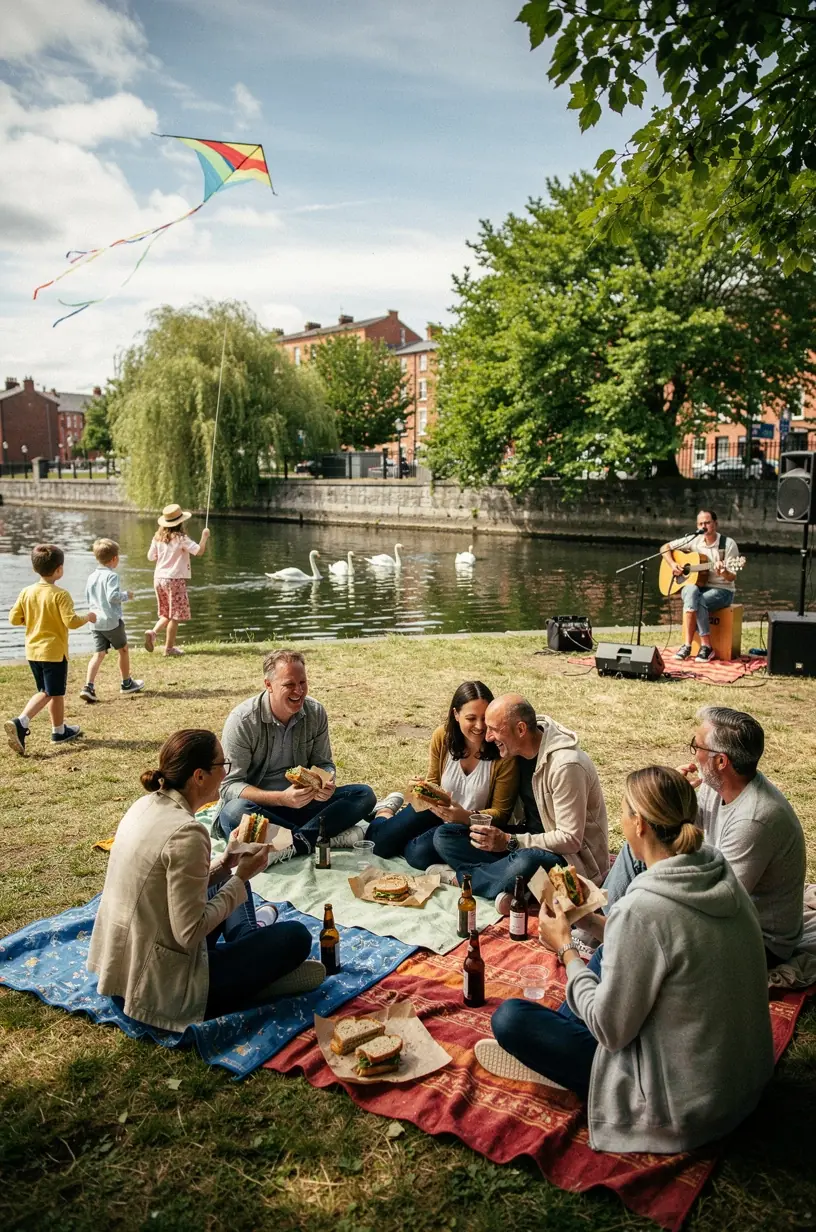
"An inclusive event not only increases attendance but also enriches the experience for all participants." - Event Planning Expert
Key Considerations for Planning Accessible Events
When planning an event, here are some effective strategies to enhance accessibility:
- Venue Selection: Choose venues that are wheelchair accessible, have proper signage, and offer amenities like restrooms equipped for individuals with disabilities. Many users report improved attendance when venues prioritize accessibility.
- Communication: Provide event information in multiple formats, such as large print or braille, and ensure that all promotional materials are clear and concise. Research indicates that clear communication can significantly improve participant engagement.
- Assistance and Support: Offer resources such as sign language interpreters or guides for individuals who may need assistance during the event. This approach not only shows responsibility but also builds trust within the community.
Implementing Best Practices
According to industry standards, planning accessible events typically requires a commitment to detailed preparation. Here are some recommendations:
- Early Planning: Begin planning your accessible event 2-4 weeks in advance to secure necessary accommodations and resources.
- Feedback Loops: Actively seek feedback from previous attendees regarding accessibility and make adjustments based on their experiences.
- Staff Training: Train your staff on how to assist individuals with various needs effectively. Experts suggest that trained personnel can significantly enhance the overall experience for attendees requiring assistance.
Measuring Success and Continuous Improvement
After your event, evaluating its success in terms of accessibility is crucial. Collect data on attendance figures, gather participant feedback, and identify areas for improvement. This reflective practice can help shape future events and ensure ongoing enhancements.
Conclusion
Planning accessible events is fundamental in creating a welcoming community atmosphere. By taking the time to consider diverse needs and applying best practices, event organizers can foster inclusivity and enhance overall participation. Remember, making your event accessible not only meets legal requirements but also enriches the experience for all attendees, fostering a spirit of community and connection.