How to Promote Local Events Effectively
Promoting local events can be challenging, yet it is crucial for fostering community engagement and participation. This article provides actionable insights into effective strategies for raising awareness and attracting attendees to your neighborhood events.
Understanding the Basics
Effective event promotion often requires a blend of marketing techniques tailored to the local community. According to research from the Event Marketing Institute, event marketing can generate up to five times more engagement than traditional advertising. The principle behind this is that personal, community-focused events resonate more deeply with local audiences.
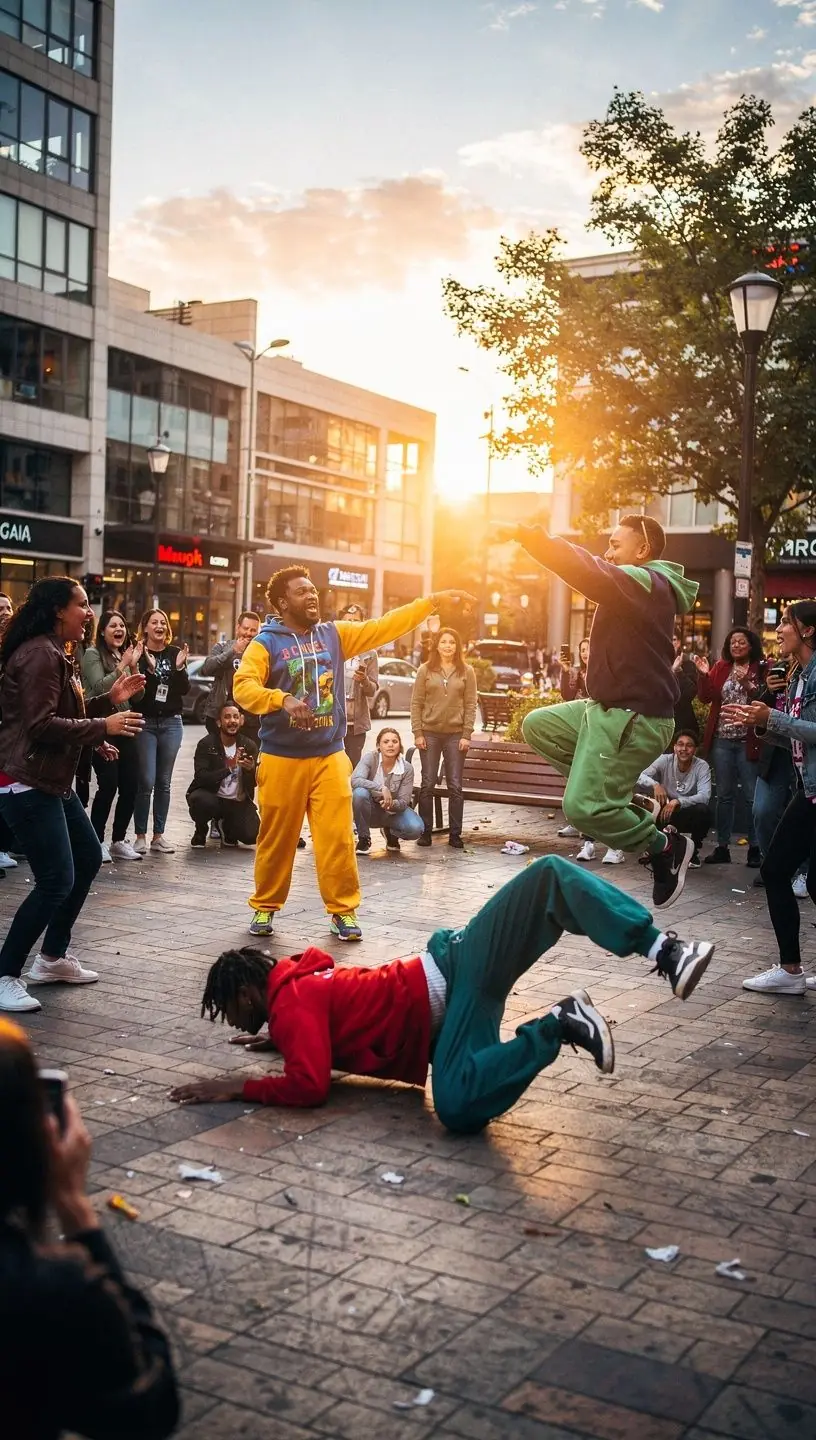
"Many users report that targeted community outreach significantly increases event attendance and participation."
Utilizing Social Media
Social media platforms can be powerful tools for promoting local events. Engaging with your audience on platforms like Facebook and Instagram can enhance visibility. Experts recommend the following strategies:
- Create Event Pages: This allows potential attendees to RSVP, ask questions, and share within their networks. Event pages can increase reach and engagement.
- Use Visual Content: Photos and videos from past events often garner more attention than text alone. Research indicates that posts with images receive 94% more views compared to text-only posts.
- Leverage Local Influencers: Collaborating with local influencers can help you reach wider audiences. Many experts suggest that influencer partnerships can increase event awareness by as much as 30%.
Engaging with the Community
Building connections with local organizations and businesses can create a supportive network that promotes your events. This approach works well because:
- Cross-Promotion: Many local businesses are willing to share information about community events, especially if it benefits them. This often leads to a mutually beneficial relationship.
- Community Boards: Posting flyers on local bulletin boards and online community forums can reach those who may not be active on social media.
- Word of Mouth: Encouraging attendees to invite friends can lead to organic growth in event participation. Studies show that personal recommendations are one of the most trusted sources of information.
Timing and Follow-Up
Timing plays a crucial role in promoting local events. Research shows that promoting an event at least 3-4 weeks in advance typically allows for adequate visibility and RSVP engagement. However, the effort doesn’t stop there:
- Post-Event Engagement: Follow up with attendees via email or social media to thank them and gather feedback. This practice can enhance community relations and encourage future participation.
- Evaluate Performance: Tracking engagement metrics—such as ticket sales, social media interactions, and attendance—can help refine future promotional strategies.
Conclusion
Promoting local events effectively requires a thoughtful blend of strategies that resonate with your community. By leveraging social media, engaging with local organizations, and maintaining communication before and after events, you can create meaningful connections and foster community engagement. Remember, results may take time to materialize, but with consistent effort, your local events can thrive.
Discover More