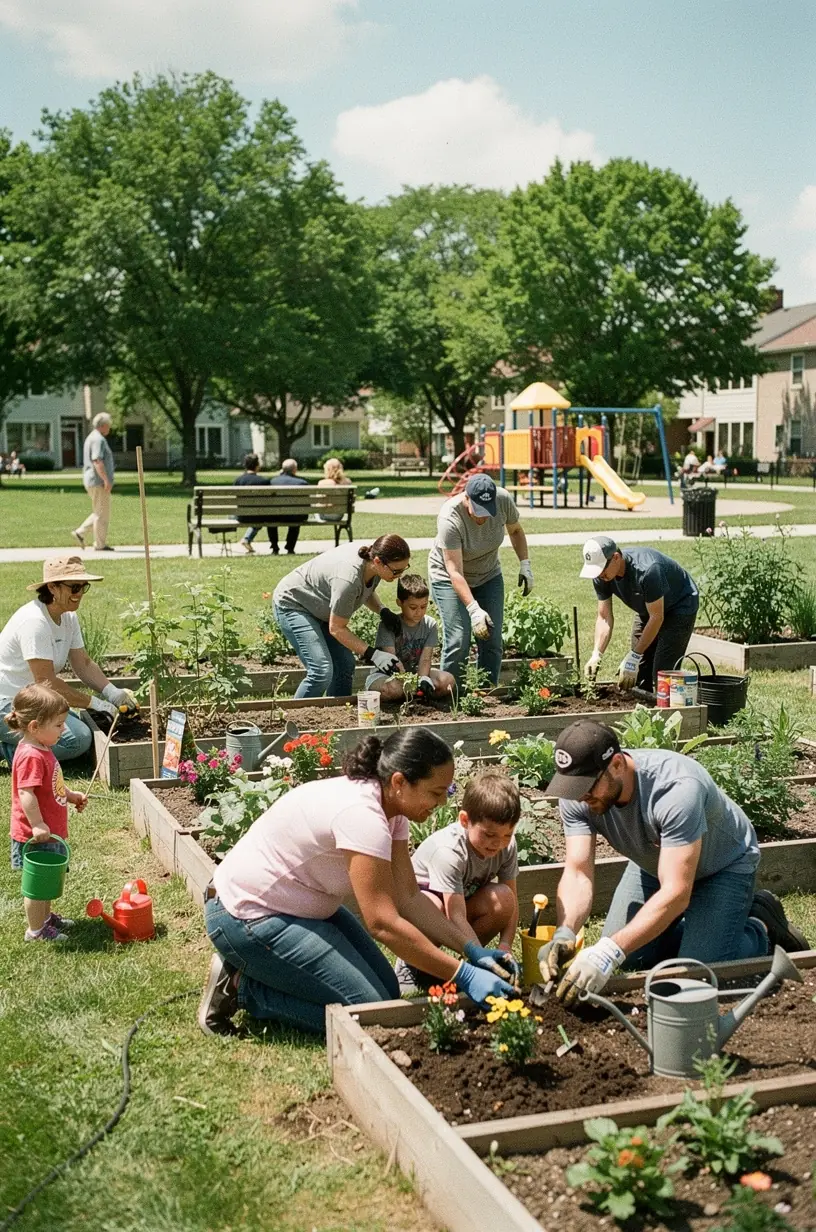
Creating Inclusive Spaces for Neighborhood Activities
Inclusive spaces are crucial for fostering community engagement and participation. In this article, we will explore the importance of creating inclusive environments for neighborhood activities and how they contribute to a connected, vibrant community.
Understanding the Importance of Inclusivity
Creating inclusive spaces means ensuring that everyone, regardless of their background or abilities, can participate in community activities. Experts in community development suggest that inclusivity can significantly enhance social cohesion and community spirit. A study conducted by the Institute of Community Development found that inclusive events can increase participation rates by up to 50%, especially among marginalized groups.

"Inclusive events not only benefit those who may feel excluded but also enrich the entire community, fostering a diverse and dynamic social fabric."
Key Strategies for Creating Inclusive Spaces
To develop inclusive activities in your neighborhood, consider the following strategies:
- Accessibility: Ensure that venues are wheelchair accessible and equipped with necessary facilities for individuals with disabilities. This typically includes ramps, accessible restrooms, and seating arrangements that accommodate all.
- Diverse Programming: Offer a variety of activities that cater to different interests and age groups. Research shows that diverse programming can attract a wider audience, thereby enhancing community interaction.
- Engagement: Actively involve community members in planning and decision-making processes. When individuals feel heard and valued, they are more likely to participate. This approach has been shown to improve community buy-in and investment in local initiatives.
Challenges and Considerations
While the goal of inclusivity is noble, there are challenges that can arise. Establishing these spaces often requires time and effort. For instance, gathering community input can be a lengthy process, often taking several weeks to months. Thus, it is important to set realistic timelines for planning and executing inclusive activities.
Additionally, consider the following limitations:
- Inclusivity efforts may not fully succeed if they lack community support or involvement.
- Some community members may feel resistant to change, which can hinder progress.
- Effective communication and outreach are essential; hence, utilizing multiple channels to reach all demographics is vital.
Conclusion
Creating inclusive spaces for neighborhood activities is not just beneficial; it is essential for building a vibrant community. By prioritizing accessibility, offering diverse programming, and engaging with community members, you can foster an environment that welcomes everyone. Remember, while challenges may arise, the rewards of inclusivity—enhanced community spirit and stronger connections—are worth the effort. Start small, be patient, and keep the lines of communication open to create a truly inclusive environment.