Exploring Different Types of Music Events
Music events can transform neighborhoods into vibrant cultural hubs, fostering community connections and providing entertainment. This article explores various types of music events, their benefits, and how they can enhance local engagement.
Understanding the Basics of Music Events
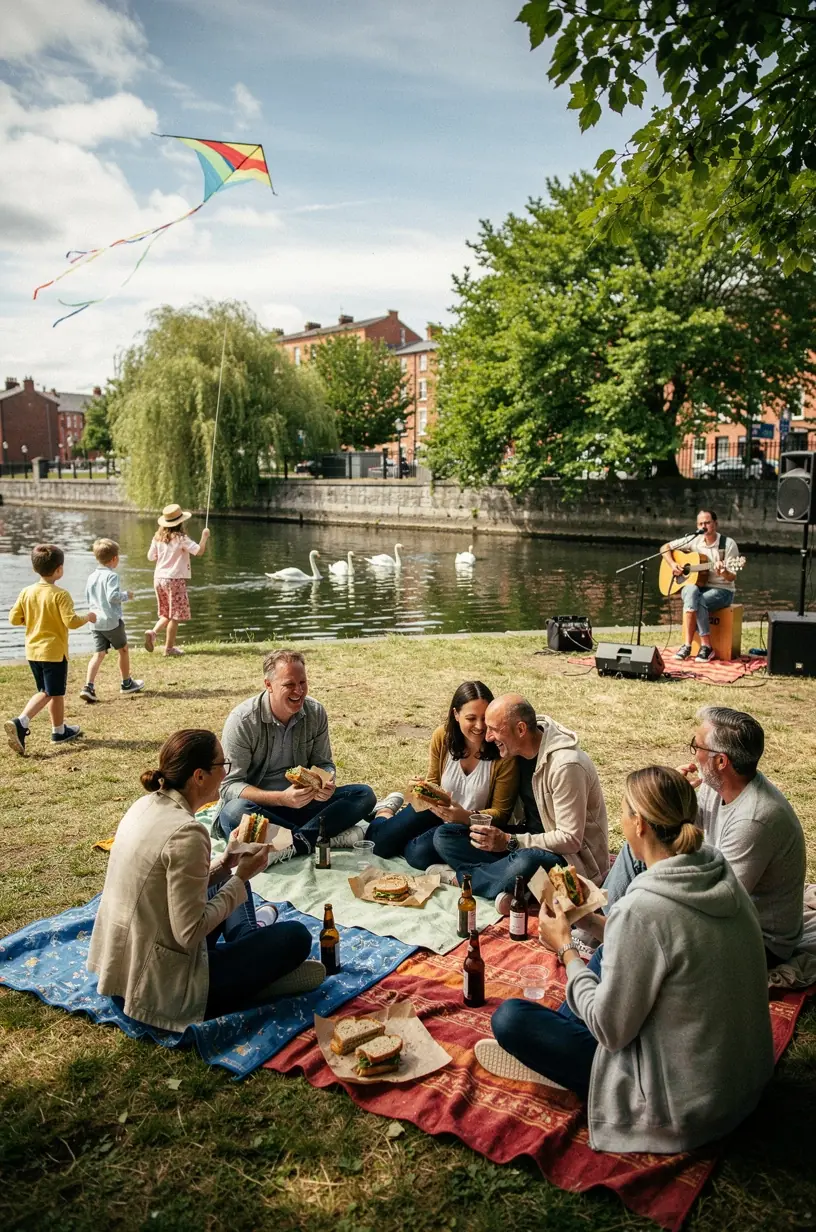
Music events can vary widely, ranging from intimate acoustic nights in local cafés to large-scale festivals featuring multiple genres. According to industry experts, community-based music events play a crucial role in building social connections and enhancing local culture. They often provide not just entertainment, but also a platform for local artists to showcase their talents.
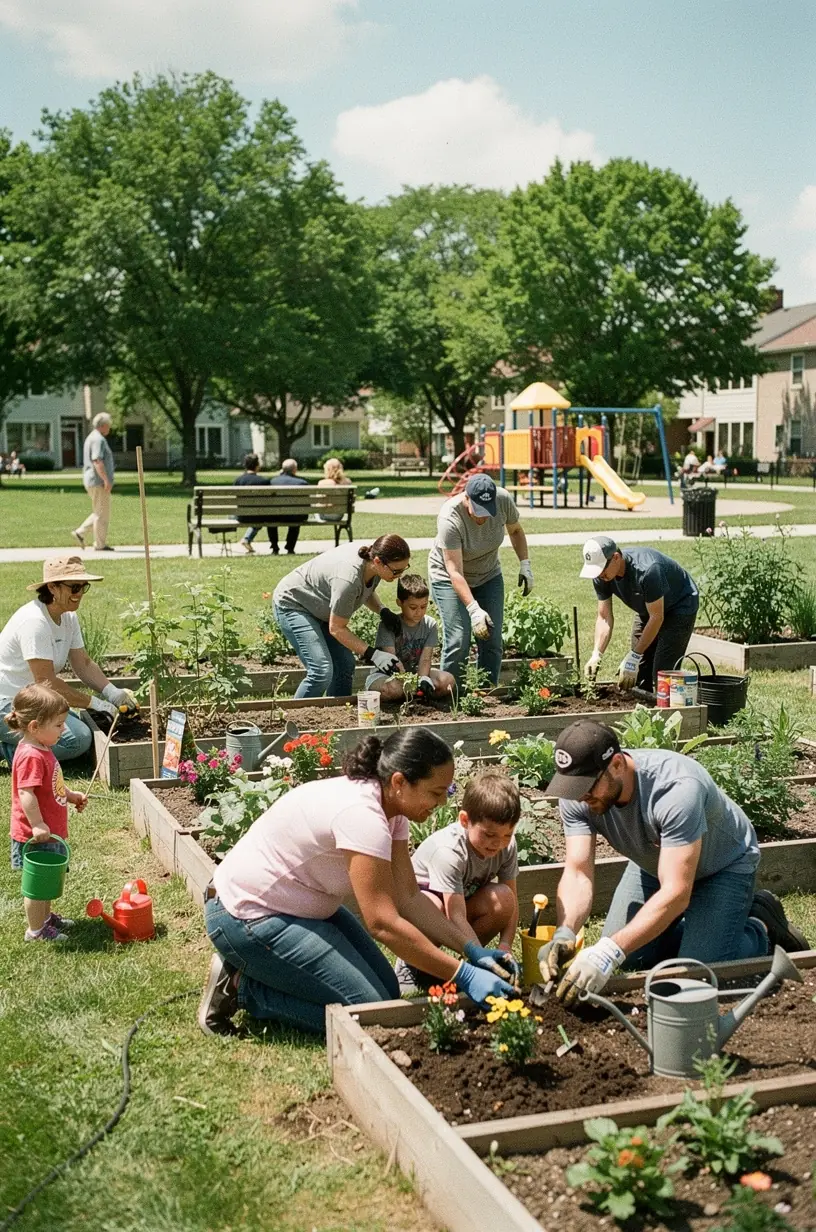
"Music events foster community spirit, bringing together individuals from diverse backgrounds to share experiences and create lasting memories." - Music Community Advocate
Types of Music Events
Understanding the different types of music events can help communities curate activities that align with local interests. Here are some common formats:
- Live Concerts: Typically held in venues like parks or theatres, these events often attract larger crowds and feature well-known or emerging artists.
- Open Mic Nights: These events encourage local talent to perform, providing a casual and supportive environment. They are often hosted in pubs or cafés and can help build a sense of community.
- Music Festivals: Usually organized annually, festivals can span multiple days and feature a variety of genres. They typically involve significant planning and can boost local tourism.
- DJ Nights: These events focus on electronic music and can create a vibrant nightlife atmosphere. They often require a dedicated venue with the right acoustics and ambiance.
Benefits of Hosting Music Events
Hosting music events can yield numerous benefits for communities:
- Cultural Enrichment: Music events often expose attendees to different cultures and genres, enhancing the cultural fabric of the community.
- Economic Boost: Local businesses can benefit significantly from increased foot traffic during music events, according to several studies on event economics.
- Community Engagement: Music events provide a platform for residents to connect, share interests, and foster a sense of belonging.
How to Organize a Successful Music Event
Organizing a music event involves several steps, each requiring careful consideration:
- Identify Your Audience: Knowing who your target audience is can guide many decisions, from the type of music to the venue.
- Select the Right Venue: The venue should align with the expected attendance and the type of music being presented. Consider factors like acoustics, accessibility, and local amenities.
- Promote Effectively: Utilize social media, local news, and community boards for promotion. Research indicates that events with strong promotional strategies see higher attendance rates.
- Plan Logistically: Factors such as equipment needs, permits, and insurance should not be overlooked. Proper planning can mitigate potential issues on the day of the event.
Conclusion
Music events are not just about entertainment; they are powerful tools for community building and cultural exchange. By understanding the various types of music events and their benefits, local organizers can create experiences that resonate with their communities. While planning a successful event requires effort and strategic thinking, the potential for positive impact is significant. Whether you're looking to host a small open mic night or a grand music festival, the key is to focus on the community's needs and interests for a rewarding experience.
Discover More