How to Organize a Neighborhood Game Night
Organizing a neighborhood game night can foster community spirit and provide a fun way for residents to connect. This article outlines the steps necessary to create an engaging and enjoyable event that caters to a variety of interests and skill levels.
Understanding the Basics
Game nights typically focus on social interaction and entertainment, making them popular among residents. According to research, community events can enhance neighborhood satisfaction and reduce feelings of isolation. Experts recommend starting with a clear understanding of your audience's interests, as this can significantly influence participation rates.
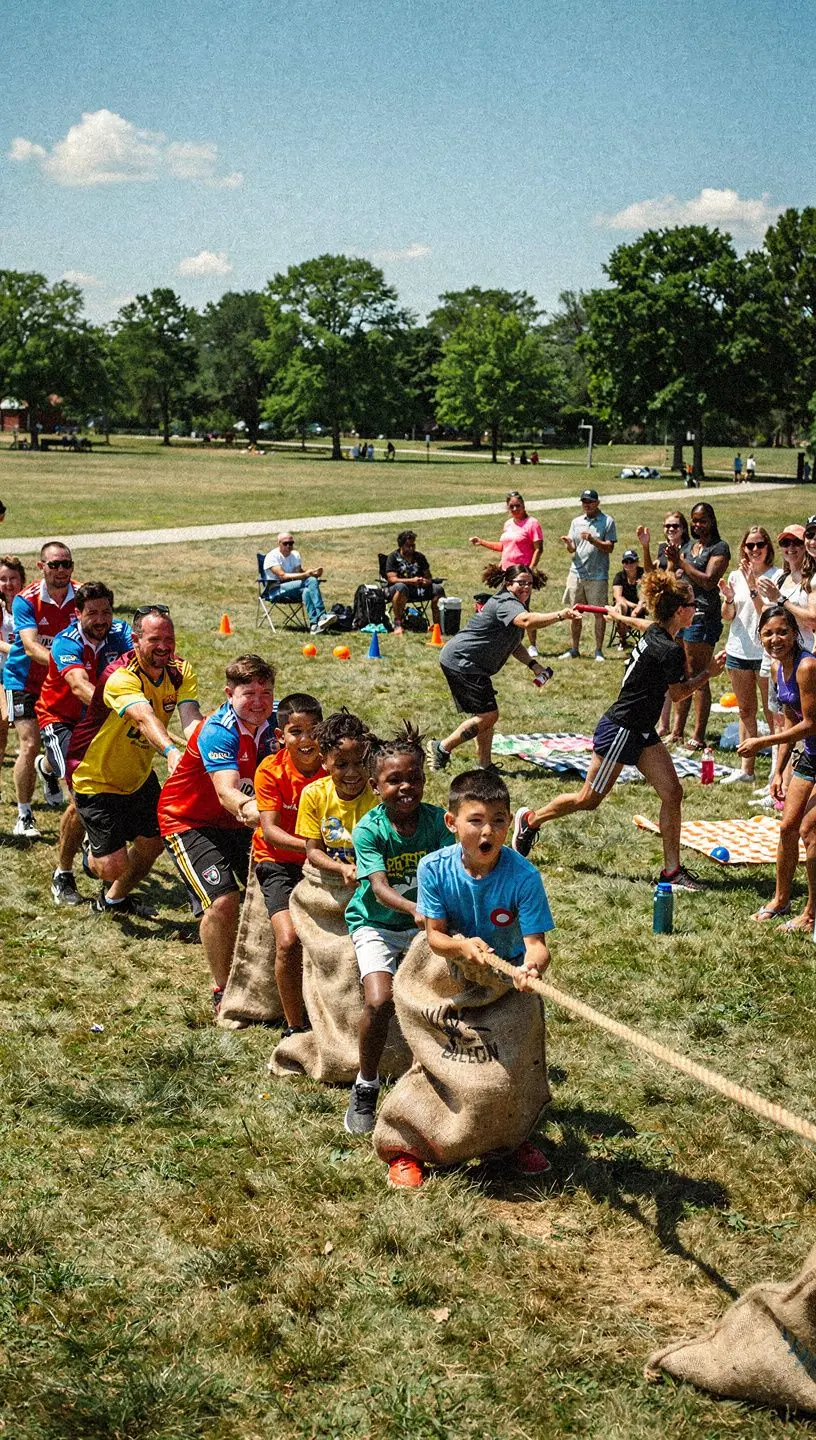
"Building community connections through social events can lead to stronger ties and increased neighborhood involvement." - Community Development Expert
Step-by-Step Guide to Organizing a Game Night
1. Set a Date and Time
Choosing a date that accommodates the majority is crucial. Weekends are often preferred, but considering local schedules can help maximize attendance. It’s advisable to provide at least a 2-4 week notice so participants can plan accordingly.
2. Choose a Venue
Selecting a venue is another critical step. Many neighborhoods have community centers or local parks that can be utilized. Ensure the venue is accessible to all, including those with mobility limitations. This consideration often increases participation rates among diverse groups.
3. Select Games and Activities
Experts recommend offering a mix of traditional board games, card games, and interactive group games. This variety ensures that there’s something for everyone. Additionally, consider incorporating team-based games to encourage collaboration and socializing.
4. Promote the Event
Effective promotion is key to attracting participants. Utilize community bulletin boards, social media groups, and local newsletters to spread the word. According to studies, community-based marketing efforts can enhance event visibility and engagement.
5. Prepare for the Night
On the day of the event, prepare by setting up tables, games, and any necessary refreshments. Creating a welcoming atmosphere can significantly impact participants' enjoyment. It often takes a few hours to arrange everything properly, so plan your time accordingly.
6. Gather Feedback
After the event, gathering feedback can help improve future game nights. Consider a simple survey or casual conversations to understand what worked well and what could be adjusted. This iterative approach often leads to more successful events over time.
Addressing Common Challenges
While organizing a game night can be rewarding, it’s important to acknowledge potential challenges:
- Low Participation: This may occur if the event is not well-promoted or scheduled at an inconvenient time.
- Varied Interests: Incorporating a wide range of games helps address the differing preferences within a community.
- Logistics: Ensuring all materials and equipment are available and functional can prevent disruptions during the event.
Conclusion
Organizing a neighborhood game night can be a fulfilling endeavor that strengthens community bonds. By following these steps and maintaining realistic expectations about participation and logistics, you can create an enjoyable experience for everyone involved. Remember, the goal is not just to play games, but to foster connections and enhance community spirit.